Skip to content
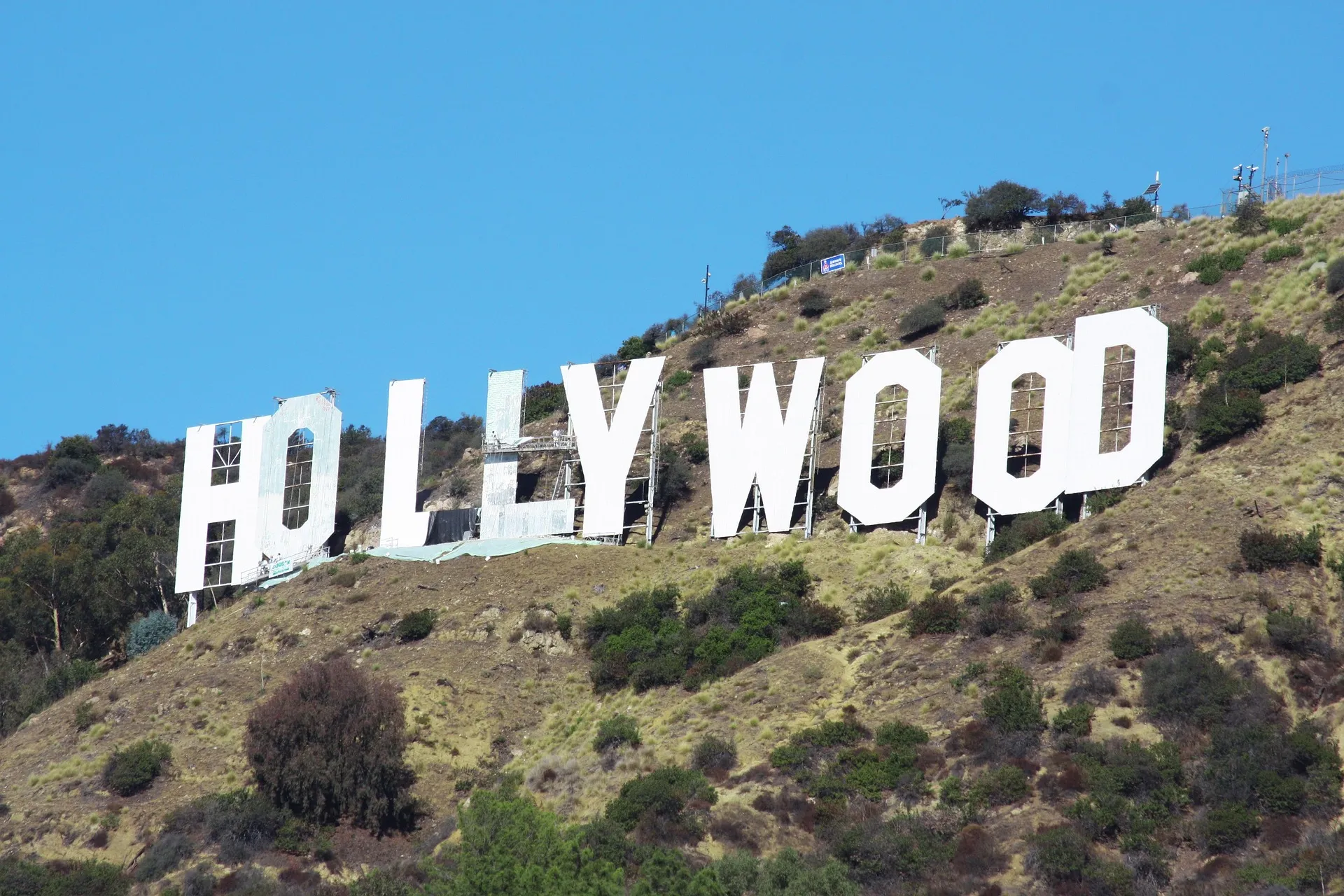
A view across Los Angeles toward the Hollywood Hills

Geography · 12 zones mapped

Crypto ATM locations across Los Angeles, district by district

Kiosk placement in this city is a retail-real-estate decision, not a financial one — which is why the coverage map looks nothing like the wealth map. Here is where machines actually cluster, what kind of venue to expect in each district, and where you will be driving a long way for nothing.

12 zones assessedHost venues listedTwo-way availability flagged
Zones assessed
12
Very high density
2
Low density
1
Reviewed
Sep 2026

Why the map looks like this

The pattern behind Los Angeles kiosk placement

If you plot crypto kiosks across Los Angeles you get a map that surprises people. It does not follow income, it does not follow tech employment, and it only loosely follows population. It follows a very specific kind of retail: businesses with long opening hours, a staff member on site, floor space near the door, and a customer base that handles physical money.

That is because an operator's problem is not finding crypto buyers. It is finding a host willing to give up four square feet by the entrance, plus somewhere secure to hold cash, plus a reason to care. Convenience stores, gas-station forecourt shops, liquor stores, smoke shops and corner markets fit that description almost perfectly. Supermarket lobbies fit it too, which is why Coinme's use of the existing Coinstar estate gives it distribution — roughly 83 access points inside Los Angeles — that no dedicated hardware fleet can match.

Follow that logic across the county and the clusters become predictable: Downtown's wholesale blocks, Koreatown's round-the-clock retail, the Mid-Wilshire and Fairfax corridors, the markets and money-transfer storefronts of Boyle Heights and East LA, and the endless commercial boulevards of the San Fernando Valley. Coverage thins where household income rises, because people there use exchanges instead — and it thins again in places where demographic change has outpaced deployment.

This page is the district-level detail. For how the operators themselves compare on fees, assets and two-way support, see the Bitcoin ATM guide; for the supply-and-demand analysis behind the gaps, the market report.

At a glance

Coverage ratings for all twelve zones

Density is our own editorial rating of machines relative to population and retail footprint, not a raw count. A district with ten kiosks and 90,000 residents rates below one with six and 20,000.

ZoneRegionCoverageTypical host venues
Downtown Los AngelesCentralVery highConvenience stores, 7-Eleven sites, parking-adjacent retail, Fashion District shops
KoreatownCentralVery highConvenience stores, 24-hour markets, plaza retail on Wilshire and Olympic
Hollywood & East HollywoodCentralHighTourist-corridor convenience stores, smoke shops, gas stations on Sunset and Highland
Mid-Wilshire & FairfaxCentralHighNeighborhood markets, convenience stores along Fairfax, Pico and La Brea
Boyle Heights & East LAEastsideHighLiquor stores, carnicerías, money-transfer storefronts, corner markets
San Fernando Valley — Van Nuys, Panorama City, North HollywoodValleyHighSupermarkets, gas stations, strip-mall convenience stores along Van Nuys Blvd and Sepulveda
Sherman Oaks, Encino & Studio CityValleyModerateVentura Boulevard retail, supermarkets, pharmacies
South LA, Inglewood & HawthorneSouthModerateLiquor stores, gas stations, corner markets, check-cashing storefronts
Santa Monica, Venice & WestwoodWestsideModerateConvenience stores, pharmacies, boardwalk-adjacent retail
Long Beach & the South BayMetroHighConvenience stores, gas stations, port-adjacent retail, Torrance strip malls
Pasadena & the San Gabriel ValleyMetroModerateSupermarkets, plaza retail in Alhambra, Monterey Park, El Monte
Northeast LA — Highland Park, Eagle Rock, Glassell ParkEastsideLowCorner markets, gas stations on Figueroa and York

Ratings reflect operator location directories, population density and retail mix as reviewed in September 2026 — see our methodology. Machines are installed and removed constantly; always confirm a specific address on the operator's own locator.

The detail

Twelve Los Angeles zones, written up

Each entry covers what drives demand there, what kind of venue hosts the machines, and the one local quirk worth knowing before you go.

01

Downtown Los Angeles

Central Very high coverage

The densest kiosk cluster in the county. Foot traffic from the Fashion District, the Toy District wholesale trade and a large residential tower population keeps machines busy, and cash-heavy wholesale commerce keeps them stocked.

Typical host venues

Convenience stores, 7-Eleven sites, parking-adjacent retail, Fashion District shops

Local tip

Machines inside wholesale-district storefronts frequently hit their cash ceiling by late afternoon on Fridays. Go before noon if you are selling.

02

Koreatown

Central Very high coverage

Extremely high population density, round-the-clock retail and a strong small-business cash culture combine into one of LA's best-served kiosk zones. Several operators run overlapping coverage within a few blocks.

Typical host venues

Convenience stores, 24-hour markets, plaza retail on Wilshire and Olympic

Local tip

Because coverage overlaps, Koreatown is the one part of LA where it is genuinely worth walking two blocks to compare two on-screen quotes.

03

Hollywood & East Hollywood

Central High coverage

Tourist volume plus a dense renter population supports steady kiosk use. Machines near the Walk of Fame skew toward small buys from visitors; those on side streets serve residents.

Typical host venues

Tourist-corridor convenience stores, smoke shops, gas stations on Sunset and Highland

Local tip

Tourist-corridor units tend to price at the top of the permitted range. A machine four blocks north is often measurably cheaper.

04

Mid-Wilshire & Fairfax

Central High coverage

A steady band of coverage linking Koreatown to the Westside, with several two-way machines documented on Fairfax and Pico. Mixed-income residential demand rather than tourism drives volume here.

Typical host venues

Neighborhood markets, convenience stores along Fairfax, Pico and La Brea

Local tip

This corridor has an unusually good ratio of two-way machines, making it a practical sell-for-cash zone.

05

Boyle Heights & East LA

Eastside High coverage

One of the metro's most important cash-to-crypto markets. A large remittance-sending population, high cash usage and comparatively thinner bank-branch density push people toward kiosks and money-service storefronts.

Typical host venues

Liquor stores, carnicerías, money-transfer storefronts, corner markets

Local tip

Bilingual interfaces are common but not universal. If Spanish-language screens matter, check the operator before traveling.

06

San Fernando Valley — Van Nuys, Panorama City, North Hollywood

Valley High coverage

The Valley carries a large share of county kiosk installs, spread over long commercial boulevards rather than concentrated blocks. Coinstar-hosted machines in supermarkets are the backbone here.

Typical host venues

Supermarkets, gas stations, strip-mall convenience stores along Van Nuys Blvd and Sepulveda

Local tip

Supermarket-lobby machines are the most reliable in the Valley — indoor, staffed premises, consistent hours.

07

Sherman Oaks, Encino & Studio City

Valley Moderate coverage

Higher household income shifts demand away from kiosks and toward exchanges and brokers. Coverage exists but is thinner per capita than in Van Nuys a few miles north.

Typical host venues

Ventura Boulevard retail, supermarkets, pharmacies

Local tip

If you live here, a bank-funded exchange purchase will almost always beat the nearest kiosk on price.

08

South LA, Inglewood & Hawthorne

South Moderate coverage

Real demand driven by cash-preferring and underbanked households, but coverage is patchier and more fragmented than density alone would predict. Stadium-area development has added foot traffic without adding much crypto infrastructure.

Typical host venues

Liquor stores, gas stations, corner markets, check-cashing storefronts

Local tip

This is the clearest under-served buy-side pocket we track in the city — expect longer travel to reach a working two-way machine.

09

Santa Monica, Venice & Westwood

Westside Moderate coverage

A tech- and student-heavy population that mostly transacts online. Kiosks exist for tourists and for sellers wanting immediate cash, not because locals lack bank access.

Typical host venues

Convenience stores, pharmacies, boardwalk-adjacent retail

Local tip

Venice boardwalk machines are convenience-priced. Westwood units near campus tend to be better value.

10

Long Beach & the South Bay

Metro High coverage

A separate city with its own dense retail base, plus port-economy cash flow. Torrance and Carson add solid coverage, and several LA-based operators treat the South Bay as core territory.

Typical host venues

Convenience stores, gas stations, port-adjacent retail, Torrance strip malls

Local tip

Long Beach is well enough covered that you can usually find a two-way machine within a ten-minute drive.

11

Pasadena & the San Gabriel Valley

Metro Moderate coverage

Strong immigrant-entrepreneur cash economy in the western SGV, with clusters around Alhambra and Monterey Park. Pasadena itself skews online, mirroring other high-income pockets.

Typical host venues

Supermarkets, plaza retail in Alhambra, Monterey Park, El Monte

Local tip

The Alhambra–Monterey Park corridor is denser than Pasadena proper despite a smaller population.

12

Northeast LA — Highland Park, Eagle Rock, Glassell Park

Eastside Low coverage

Rapid demographic change has not yet been matched by kiosk deployment. Coverage is sparse relative to population, and machines are spread along arterial roads rather than clustered.

Typical host venues

Corner markets, gas stations on Figueroa and York

Local tip

Plan for a drive. The nearest reliable two-way machine is often in Downtown or Glendale rather than in the neighborhood.

Where it runs out

The three kinds of coverage gap in Los Angeles

Not all thin coverage means the same thing, and the distinction matters if you are deciding whether to travel.

Gaps because demand is elsewhere

Pasadena, Encino, Sherman Oaks, much of the far Westside. Household income is high, banking penetration is near-universal, and residents buy through exchanges. Machines exist but are sparse per resident because nobody is asking for more.

What to do: Do not travel. A bank-funded exchange purchase will beat any kiosk you drive to.

Gaps because deployment lagged

Northeast LA — Highland Park, Eagle Rock, Glassell Park. The population has changed faster than the kiosk estate, and what exists is strung along arterial roads rather than clustered. There is unmet demand here.

What to do: Plan a drive to Downtown or Glendale, or use a barcode product at an ordinary checkout.

Gaps despite real demand

Parts of South LA, Inglewood and Hawthorne. Cash-preferring and underbanked households create genuine demand, but supply is fragmented and two-way machines especially so. This is the clearest under-served pocket we track.

What to do: Check a staffed retail counter first — coverage there is often better than hardware.

Practical

How to find a machine that is actually working today

Five steps that prevent almost every wasted trip. The first one matters more than the rest combined.

  1. 1

    Use the operator's locator, not an aggregator

    Third-party maps are useful for discovering which operators cover an area, but they lag reality badly — a removed machine can linger for weeks. Once you know the operator, use its own finder, which is tied to live status. Our ATM guide links every major LA operator's locator directly.

  2. 2

    Check the host business's hours, not the machine's

    The kiosk sits inside somebody else's shop. If that shop closes at 9pm, the machine closes at 9pm regardless of what the listing says about 24-hour availability. This is the second most common cause of wasted trips after two-way confusion.

  3. 3

    Confirm two-way support for that exact unit

    Selling for cash is a per-machine capability. A brand that buys and sells at a store on Pico may only buy at a store on Vermont. If cash-out is your goal, verify the specific address, and read our sell-for-cash guide for what to expect when you get there.

  4. 4

    Have a second location in mind

    Machines run out of cash, jam, lose connectivity and get taken offline for service. In Koreatown or Downtown your backup is two blocks away. In the Valley it may be three miles, so identify it before you set out rather than after the first one fails.

  5. 5

    Call the store if the amount matters

    If you are selling and need a specific amount in notes, phoning the host business is worth the two minutes. A two-way machine can only dispense the cash it physically holds, and a unit that has been busy all day may simply be unable to pay you $900.

Judge the venue, not the postcode

The most useful safety heuristic we can offer about kiosk locations has nothing to do with which neighborhood you are in. It is this: prefer indoor, staffed, well-lit venues during normal business hours, and take only the cash you intend to convert. A supermarket lobby at 2pm and an unlit forecourt at 1am are different propositions even with identical operators and identical fees. And if anyone is on the phone with you while you stand at a machine, walk out — that is the pattern behind the losses the FBI's IC3 documents every year. See our safety guide.

Questions we actually get

Location questions from LA readers

Where are the most Bitcoin ATMs in Los Angeles?

Downtown Los Angeles and Koreatown carry the densest clusters, followed by the Mid-Wilshire and Fairfax corridors, Boyle Heights and East LA, and the long commercial boulevards of the San Fernando Valley through Van Nuys, Panorama City and North Hollywood. Long Beach and the South Bay are also well covered. Typical host venues are convenience stores, gas station shops, liquor stores, smoke shops, corner markets and supermarket lobbies.

Which Los Angeles neighbourhoods have the fewest crypto ATMs?

Northeast LA — Highland Park, Eagle Rock and Glassell Park — has the thinnest coverage relative to population in the areas we track. Pasadena proper, Encino, Sherman Oaks and much of the far Westside also have low density per resident, but for a different reason: higher household incomes mean residents transact online rather than at kiosks. South LA, Inglewood and Hawthorne sit in between, with genuine demand and patchier supply than density alone would predict.

How do I find a Bitcoin ATM near me in Los Angeles right now?

Use the operator's own locator rather than a third-party aggregator map, because removed machines linger on aggregators for weeks. Check the host business's opening hours, since the store controls access rather than the operator. If you intend to sell rather than buy, confirm that specific unit is two-way — it is a per-machine setting. Our Bitcoin ATM guide lists every major operator with a direct link to its finder.

Are Bitcoin ATMs in tourist areas more expensive?

In our observations along the Hollywood and Venice corridors, yes — machines serving high footfall from visitors tend to price toward the top of the range California permits, because the customer is unlikely to comparison shop. Walking a few blocks away from the immediate tourist strip frequently produces a better quote from a machine serving residents instead.

Is it safe to use a crypto kiosk in any part of LA?

Judge the venue rather than the neighborhood. A machine in a supermarket lobby at 2pm is a fundamentally different proposition from one in an unlit forecourt at 1am, even with the same operator and the same fees. Prefer indoor, staffed, well-lit locations during business hours, take only the cash you intend to convert, and never conduct a transaction while someone is coaching you on the phone.

Do all Los Angeles Bitcoin ATMs support selling crypto for cash?

No — most buy, a minority sell. Two-way support is decided machine by machine, not brand by brand, which is the single most common reason people make a wasted trip. CoinFlip and Hermes Bitcoin run the most consistent two-way coverage in this city, with Bitcoin Depot, Cryptobase, RockItCoin, Athena and Byte Federal offering it at selected units. Always confirm before traveling.