Skip to content

Kiosk research · 10 operators

Bitcoin ATMs in Los Angeles: every operator, priced honestly

Los Angeles has one of the densest crypto kiosk networks in America — and the strictest rules governing it. California caps what any machine can charge you and how much you can transact in a day. Here is every major operator compared on fees, assets, two-way support and ID tiers, plus what the same purchase would cost you elsewhere.

California SB 401 appliesTwo-way machines flaggedReviewed September 2026
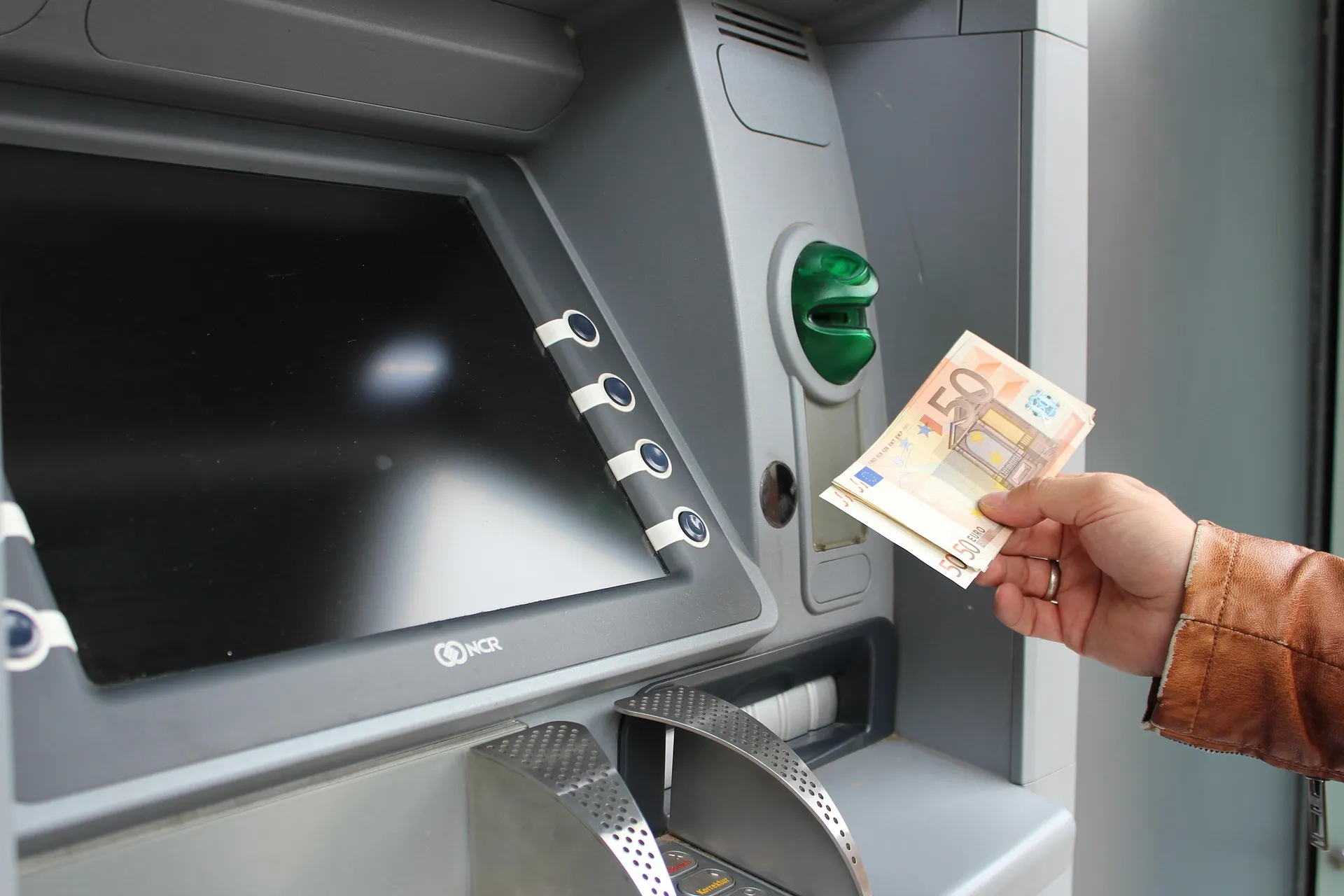
A cryptocurrency ATM kiosk of the type installed in Los Angeles convenience stores and supermarkets

Daily cap per person

$1,000

Fee ceiling

15%

~83

Coinme points in Los Angeles

42 Coinstar kiosks + 41 staffed cash counters

2,290

Coinme locations statewide

Across 506 California cities

$1,000

Statutory daily cap per customer

California Digital Financial Assets Law

$5 / 15%

Statutory fee ceiling

Whichever is greater, per transaction

The crypto kiosk is the most misunderstood piece of financial infrastructure in Los Angeles. People treat it as either a scam or a miracle, and it is neither. It is a vending machine for Bitcoin that charges a lot, sits in a convenience store, and exists because several hundred thousand households in this metro genuinely cannot use the cheaper alternatives.

The names are interchangeable and the signage is not consistent, which trips people up when they search. A Bitcoin ATM, a crypto ATM, a cryptocurrency ATM in Los Angeles and a BTM all describe the same hardware; the industry and California's own statute prefer "crypto kiosk". None of them are ATMs in the banking sense — they do not connect to your bank account and they do not dispense your own money. They sell you an asset, and a few of them buy it back.

What makes Los Angeles unusual is scale on both sides. The city has an enormous cash economy — swap meets in the Valley, wholesale trade downtown, day labour, tipped work, remittance corridors through Boyle Heights and East LA — and it has a retail footprint dense enough that operators can put a machine within walking distance of most of it. Coinme alone lists roughly 83 access points inside Los Angeles, about 42 of them Coinstar units in supermarket lobbies and 41 staffed cash counters, inside a California network of around 2,290 locations across 506 cities. Layer on the dedicated fleets and the metro count runs into the hundreds.

What also makes Los Angeles unusual is that California decided to regulate this hard. Two numbers now govern every kiosk in the state, and if you only remember two things from this page, make it these.

The law, in two numbers

What California fixed, and what operators still choose

Statutory daily ceiling

$1,000

Per customer, per day, per operator. In force since 1 January 2024 under Senate Bill 401, and upheld after a legal challenge. Operator marketing that quotes $25,000 or $50,000 is describing other states.

Statutory fee ceiling

$5 or 15%

Whichever is greater, per transaction, since 1 January 2025. This is a ceiling and not a rate — but plenty of machines price close to it, and the exchange rate they quote you is a separate margin on top.

Notice what the statute does not control: the exchange rate. An operator can comply perfectly with the 15% fee cap and still quote you a Bitcoin price that is several percent away from the market. This is why the only number worth reading on a kiosk screen is the amount of crypto you will actually receive. The fee line tells you about one component of your cost; the crypto quantity tells you about all of it.

The other thing worth knowing is that these rules changed the industry's shape here. Since 1 July 2026, operators must hold a license from the Department of Financial Protection and Innovation under the Digital Financial Assets Law, or have a complete application on file, with penalties of up to $100,000 per day for operating without one. Kiosk operators must also report their machine locations to the DFPI, which publishes them. If you want the whole regulatory picture, we lay it out in the California regulation guide.

Operator comparison

Ten kiosk networks serving Los Angeles

Footprints shift constantly and terms differ machine to machine, so treat this as a map of who covers what rather than a price list. Every operator name links to its own locator.

OperatorLos Angeles footprintAssetsSells for cash?Fee structureID
Coinme (Coinstar + Coinme Cash)~83 Los Angeles points — roughly 42 Coinstar kiosks and 41 staffed Coinme Cash countersBTC, ETH, LTC, DOGE, XLM, LINK, MATIC and moreBuy only at kiosks; sell via appA kiosk/transaction fee plus an exchange-rate spread; capped in California by statutePhone number and verification code for the smallest tickets; ID for larger amounts
Bitcoin DepotDense metro-wide coverage; one of the largest US fleetsBTC primarily; ETH and LTC at some unitsYes — selected kiosksHistorically among the higher-markup operators nationally; the California cap binds herePhone plus government ID scan is standard
CoinFlipMultiple dozens of LA city sites, including Mid-Wilshire and East LABTC, ETH, LTC, plus a rotating altcoin setYes — most kiosksSeparate buy and sell markups, disclosed on screen before confirmationPhone verification, then ID for higher tiers
RockItCoinDowntown LA, Hollywood, Koreatown, Silver Lake, Westwood, Santa MonicaBTC, ETH, LTC and others by unitYes — selected kiosksKiosk markup plus network fee; the retail-counter product prices differentlyPhone number for the entry tier; ID above it
CoinhubBroad LA and Southern California coverage across a 2,000+ machine US fleetBTC, with additional assets at some unitsBuy onlyMarkup varies by machine; national marketing quotes limits that do not apply in CaliforniaPhone plus ID, tiered
Hermes BitcoinLos Angeles, San Fernando Valley, South Bay, Orange CountyBTC, plus selected alternativesYes — most kiosksTwo-way pricing with separate buy and sell spreadsPhone verification at the entry tier, ID above it
Cryptobase30+ machines in Los Angeles and growingBTC, ETH, LTCYes — selected kiosksOn-screen quote before confirmationPhone plus ID depending on amount
BitstopScattered LA coverage within a national networkBTC and a small set of alternativesBuy onlyMarkup disclosed at the machinePhone number for entry-tier purchases
Athena BitcoinSelected LA metro sites; stronger in some Latino-serving retail corridorsBTC, plus alternatives at some unitsYes — selected kiosksVaries by machine and assetPhone plus ID tiers
Byte FederalThin but present LA coverage inside a large US fleetBTC, ETH, LTC and a wider token menu at some unitsYes — selected kiosksOn-screen quote; wider spreads on smaller-cap assetsPhone plus ID tiers

All California kiosks are bound by the statutory $1,000 daily and $5/15% fee ceilings regardless of what an operator advertises nationally. Two-way support varies by individual machine. Confirm the specific unit on the operator's locator before traveling.

Coinme (Coinstar + Coinme Cash)

Very large

The widest coverage in the city because it piggybacks on Coinstar machines already sitting in supermarket lobbies. Coinme reports roughly 2,290 California locations statewide.

Typical hosts: Supermarkets, grocery chains, convenience stores

Bitcoin Depot

Very large

Publicly listed operator with a heavy corner-store footprint. Machine-by-machine terms vary, so read the on-screen quote rather than the website.

Typical hosts: Convenience stores, gas stations, liquor stores, smoke shops

CoinFlip

Large

Better altcoin support than most fleets and a genuine two-way network, which is why it appears repeatedly in our sell-for-cash testing.

Typical hosts: Convenience stores, markets, shopping centers

RockItCoin

Large

Runs both hardware kiosks and a barcode-style retail product usable at thousands of ordinary checkout counters nationwide — a different rail with different economics.

Typical hosts: Convenience stores, markets; plus a separate retail-counter product

Coinhub

Large

Advertises daily maximums well above California's statutory ceiling. In Los Angeles the $1,000-per-day figure is the one that governs.

Typical hosts: Liquor stores, convenience stores, gas stations

Hermes Bitcoin

LA specialist

A Los Angeles-headquartered operator rather than a national franchise, which shows in local support responsiveness. Its marketing still cites pre-DFAL limits.

Typical hosts: Convenience stores, 7-Eleven sites, independent retail

Coverage tool

Find out how well your part of LA is served

Coverage tool

Los Angeles kiosk coverage finder

Filter the twelve LA zones we track by region and by how well served they are. Density reflects machines relative to population and retail footprint, not a raw count — a neighborhood with ten kiosks and 90,000 residents rates worse than one with six and 20,000.

12 / 12 zones

Downtown Los Angeles

Central Very high coverage

The densest kiosk cluster in the county. Foot traffic from the Fashion District, the Toy District wholesale trade and a large residential tower population keeps machines busy, and cash-heavy wholesale commerce keeps them stocked.

Typical host venues

Convenience stores, 7-Eleven sites, parking-adjacent retail, Fashion District shops

Local tip

Machines inside wholesale-district storefronts frequently hit their cash ceiling by late afternoon on Fridays. Go before noon if you are selling.

Koreatown

Central Very high coverage

Extremely high population density, round-the-clock retail and a strong small-business cash culture combine into one of LA's best-served kiosk zones. Several operators run overlapping coverage within a few blocks.

Typical host venues

Convenience stores, 24-hour markets, plaza retail on Wilshire and Olympic

Local tip

Because coverage overlaps, Koreatown is the one part of LA where it is genuinely worth walking two blocks to compare two on-screen quotes.

Hollywood & East Hollywood

Central High coverage

Tourist volume plus a dense renter population supports steady kiosk use. Machines near the Walk of Fame skew toward small buys from visitors; those on side streets serve residents.

Typical host venues

Tourist-corridor convenience stores, smoke shops, gas stations on Sunset and Highland

Local tip

Tourist-corridor units tend to price at the top of the permitted range. A machine four blocks north is often measurably cheaper.

Mid-Wilshire & Fairfax

Central High coverage

A steady band of coverage linking Koreatown to the Westside, with several two-way machines documented on Fairfax and Pico. Mixed-income residential demand rather than tourism drives volume here.

Typical host venues

Neighborhood markets, convenience stores along Fairfax, Pico and La Brea

Local tip

This corridor has an unusually good ratio of two-way machines, making it a practical sell-for-cash zone.

Boyle Heights & East LA

Eastside High coverage

One of the metro's most important cash-to-crypto markets. A large remittance-sending population, high cash usage and comparatively thinner bank-branch density push people toward kiosks and money-service storefronts.

Typical host venues

Liquor stores, carnicerías, money-transfer storefronts, corner markets

Local tip

Bilingual interfaces are common but not universal. If Spanish-language screens matter, check the operator before traveling.

San Fernando Valley — Van Nuys, Panorama City, North Hollywood

Valley High coverage

The Valley carries a large share of county kiosk installs, spread over long commercial boulevards rather than concentrated blocks. Coinstar-hosted machines in supermarkets are the backbone here.

Typical host venues

Supermarkets, gas stations, strip-mall convenience stores along Van Nuys Blvd and Sepulveda

Local tip

Supermarket-lobby machines are the most reliable in the Valley — indoor, staffed premises, consistent hours.

Sherman Oaks, Encino & Studio City

Valley Moderate coverage

Higher household income shifts demand away from kiosks and toward exchanges and brokers. Coverage exists but is thinner per capita than in Van Nuys a few miles north.

Typical host venues

Ventura Boulevard retail, supermarkets, pharmacies

Local tip

If you live here, a bank-funded exchange purchase will almost always beat the nearest kiosk on price.

South LA, Inglewood & Hawthorne

South Moderate coverage

Real demand driven by cash-preferring and underbanked households, but coverage is patchier and more fragmented than density alone would predict. Stadium-area development has added foot traffic without adding much crypto infrastructure.

Typical host venues

Liquor stores, gas stations, corner markets, check-cashing storefronts

Local tip

This is the clearest under-served buy-side pocket we track in the city — expect longer travel to reach a working two-way machine.

Santa Monica, Venice & Westwood

Westside Moderate coverage

A tech- and student-heavy population that mostly transacts online. Kiosks exist for tourists and for sellers wanting immediate cash, not because locals lack bank access.

Typical host venues

Convenience stores, pharmacies, boardwalk-adjacent retail

Local tip

Venice boardwalk machines are convenience-priced. Westwood units near campus tend to be better value.

Long Beach & the South Bay

Metro High coverage

A separate city with its own dense retail base, plus port-economy cash flow. Torrance and Carson add solid coverage, and several LA-based operators treat the South Bay as core territory.

Typical host venues

Convenience stores, gas stations, port-adjacent retail, Torrance strip malls

Local tip

Long Beach is well enough covered that you can usually find a two-way machine within a ten-minute drive.

Pasadena & the San Gabriel Valley

Metro Moderate coverage

Strong immigrant-entrepreneur cash economy in the western SGV, with clusters around Alhambra and Monterey Park. Pasadena itself skews online, mirroring other high-income pockets.

Typical host venues

Supermarkets, plaza retail in Alhambra, Monterey Park, El Monte

Local tip

The Alhambra–Monterey Park corridor is denser than Pasadena proper despite a smaller population.

Northeast LA — Highland Park, Eagle Rock, Glassell Park

Eastside Low coverage

Rapid demographic change has not yet been matched by kiosk deployment. Coverage is sparse relative to population, and machines are spread along arterial roads rather than clustered.

Typical host venues

Corner markets, gas stations on Figueroa and York

Local tip

Plan for a drive. The nearest reliable two-way machine is often in Downtown or Glendale rather than in the neighborhood.

Coverage ratings are our own editorial assessment based on operator location directories, population density and retail mix — see how we research. Machines are added and removed constantly; always confirm a specific address on the operator's own locator before traveling. All 10 operators we track are compared on the Bitcoin ATM guide.

For the full write-up of each district — which streets the machines sit on, what kind of host venue to expect and where the nearest two-way unit tends to be — see our neighborhood-by-neighborhood locations guide.

Mechanics

How a kiosk transaction actually works

Six steps, and the order matters. The mistake almost everyone makes is doing step one at the machine instead of at home.

  1. 1

    Set up your wallet before you leave

    You need a receiving address, ready as a QR code on your phone. Do this at home, calmly, where you can write down your recovery phrase properly. Never let a machine generate a wallet for you — you will not control the keys — and never, under any circumstances, use an address that someone sent you or read to you over the phone. Our wallets guide walks through the options in about ten minutes.

  2. 2

    Confirm the machine exists and does what you need

    Kiosks live inside other businesses, so the host's opening hours govern access, not the operator's. Check the locator for hours, and if you intend to sell rather than buy, confirm that specific unit is two-way. A machine that has been removed still shows on aggregator maps for weeks.

  3. 3

    Verify at the machine

    Enter your mobile number, receive an SMS code, type it in. That gets you into the entry tier. Above it — and the threshold varies by operator — you will be asked to scan a government photo ID, and sometimes to take a selfie for a liveness check. This is a Bank Secrecy Act obligation, not an operator preference.

  4. 4

    Read the whole quote, not the fee line

    California requires pre-transaction disclosure, so the fee has to be on screen before you commit. But the number that matters is the amount of crypto you will receive. Pull up the market price on your phone, do the division, and decide. If the machine only reveals the quote after you have selected an amount, that is a design choice you should be suspicious of.

  5. 5

    Scan your address and insert notes

    Scan your own QR code. Feed notes in one at a time — most bill acceptors are fussy about worn or folded currency, and a machine that rejects your twenties is not broken, it is just old. Watch the running total on screen and stop before the $1,000 statutory ceiling.

  6. 6

    Take the receipt and photograph it

    The printed slip is your cost basis for tax purposes and your only leverage if the transaction fails. Thermal paper fades within months, so photograph it in the store before you walk out. Then wait for the on-chain confirmation in your own wallet before you leave the area.

The real number

What a kiosk purchase costs, at the statutory ceiling

This table assumes an operator charging the maximum the law allows. Many charge less — but you should know the shape of the worst case before you insert money, because the alternative is one tap away on a phone.

Cash you insertFee at the 15% ceilingCrypto you receiveSame purchase via ACH on an exchange
$100 cash$15about $85 of BitcoinRoughly $99.50 via ACH on an exchange
$200 cash$30about $170 of BitcoinRoughly $199 via ACH on an exchange
$500 cash$75about $425 of BitcoinRoughly $497.50 via ACH on an exchange
$1,000 cash (the daily maximum)$150about $850 of BitcoinRoughly $995 via ACH on an exchange

Illustrative, assuming an operator at the statutory ceiling and an exchange order-book fee around 0.25–0.5%. Exchange-rate margin at the kiosk is additional and not capped by statute. Exchange figures assume you already hold a verified account and have moved the cash into a bank.

The right way to read that last column is not "kiosks are bad" — it is "kiosks are expensive, so use them for what they are uniquely good at". A kiosk turns physical notes into on-chain crypto in under ten minutes with no bank involved. Nothing else in Los Angeles does that as reliably. If that is your situation, the premium is the price of the only service that works for you, and there is no shame in paying it.

But if you have a functioning bank account and you are standing at a machine because the interface felt approachable, you are handing over somewhere between fifteen and fifty times what the same purchase needs to cost. That is the entire argument, and it is worth ten minutes of reading our card and bank funding guide to avoid.

There is also a middle option people miss. Staffed retail cash counters — Coinme Cash inside participating stores, barcode-style top-up products, paper-money loads into apps you already have — accept physical notes while usually pricing below a dedicated kiosk. We cover those separately in the cash rails guide, because they are a genuinely different product with different economics.

Cash out

Which Los Angeles machines take cash out as well as in

Roughly speaking, most kiosks buy and a minority sell. Two-way support is decided per machine, and it is the single most common reason people make a wasted trip.

Most consistent two-way

  • CoinFlip — two-way across most units
  • Hermes Bitcoin — two-way across most units

These are the fleets we would check first if selling for paper cash is the goal.

Two-way at selected units

  • Bitcoin Depot
  • Cryptobase
  • RockItCoin
  • Athena Bitcoin
  • Byte Federal

Buy only at the machine

  • Coinhub
  • Bitstop
  • Coinme — sell handled in the app, not at the kiosk

Selling at a machine works differently from buying and the difference catches people out. You start the sale on screen, the machine gives you a deposit address, you send your coins from your wallet, and then you wait for network confirmations before the cash dispenser releases anything. Depending on the operator that can mean standing in a convenience store for ten to thirty minutes, and some operators issue a redemption code you take back to the machine later instead.

The other constraint is physical: a two-way machine can only pay out the notes it actually holds. A unit that has been busy all day may simply be unable to give you $900, regardless of what the software says. We go through the whole cash-out process, including the far cheaper exchange-withdrawal route, in our sell Bitcoin for cash guide.

Physical geography

Where these machines actually live in Los Angeles

Kiosk placement is a retail-real-estate decision, not a financial one. Understanding what operators optimize for tells you where to look — and where not to bother.

An operator wants a host business with long opening hours, steady footfall, a staff member on site, floor space near the entrance, and a customer base that handles cash. In Los Angeles that description lands almost exactly on the convenience store, the gas station forecourt shop, the liquor store, the smoke shop and the neighborhood market. Add supermarket lobbies, where Coinstar's existing machine estate gives Coinme distribution that no dedicated fleet can match.

Follow that logic across the city and the pattern becomes predictable. Dense clusters appear along Downtown's wholesale blocks, through Koreatown's 24-hour retail on Wilshire and Olympic, along the Mid-Wilshire and Fairfax corridors, across Boyle Heights and East LA where corner markets and money-transfer storefronts sit side by side, and along the long commercial boulevards of the San Fernando Valley — Van Nuys, Sepulveda, Ventura.

Coverage thins where household income rises. Pasadena, Encino, Sherman Oaks and much of the Westside have machines, but fewer per resident, because people there transact online. It thins again in Northeast LA — Highland Park, Eagle Rock, Glassell Park — where demographic change has outpaced deployment. And it is patchier than raw density would predict across South LA, Inglewood and Hawthorne, which is the clearest under-served pocket we track. We quantify all of that in the LA crypto market report.

Typical host venues, ranked by how often we see them

  1. 01Convenience stores and 7-Eleven-type sites
  2. 02Gas station forecourt shops
  3. 03Liquor stores
  4. 04Supermarket lobbies (Coinstar estate)
  5. 05Smoke and vape shops
  6. 06Neighborhood markets and carnicerías
  7. 07Money-transfer and check-cashing storefronts
  8. 08Shopping-center common areas

Why this matters practically

A kiosk inside a business is subject to that business's hours, its security, its lighting and its cash-handling habits. A supermarket-lobby machine at 2pm is a very different experience from a smoke-shop machine at 1am, even when the operator, the software and the fees are identical.

Before you go

A nine-point checklist for your first kiosk visit

Wallet ready at home

Address as a QR code, recovery phrase written on paper and stored somewhere safe.

Machine confirmed today

Checked on the operator locator, including host opening hours — not an aggregator map.

Two-way confirmed if selling

A brand that sells at one store may not sell at another. It is per machine.

Under the daily ceiling

Plan for $1,000 maximum per operator per day. Do not expect an exception.

Market price on your phone

So you can judge the quoted crypto amount, not just the fee line.

ID with you

Even if the entry tier only needs a phone number. Thresholds vary and you may hit one.

Crisp notes, higher denominations

Old bill acceptors reject worn currency and there is no useful error message.

Daylight, and nobody on the phone

If someone is talking you through a transaction, that is the scam. Walk out.

Receipt photographed in-store

Thermal paper fades. It is your cost basis and your only evidence.

The one rule that matters more than all the others

If anybody — a caller claiming to be from a government agency, your bank's fraud team, a utility, a tech support line, a romantic interest, an "investment adviser" — has told you to go to a crypto machine, you are being robbed. The FBI's IC3 recorded more than 13,400 kiosk-related complaints and over $388 million in losses in a single year, with people aged 60 and over accounting for more than $257 million of it. Kiosk transactions cannot be reversed, which is exactly why fraudsters choose them. Hang up, and read our kiosk safety guide.

Questions we actually get

Bitcoin ATM questions from Los Angeles readers

How much can I buy at a Bitcoin ATM in Los Angeles per day?

$1,000 per customer per day. That limit comes from California Senate Bill 401, part of the Digital Financial Assets Law, and it has been in force since 1 January 2024. It applies per operator, and a California court upheld it after operators challenged it. If a machine or a website advertises a $25,000 or $50,000 daily ceiling, that figure applies in other states — not here.

What fees do Bitcoin ATMs charge in Los Angeles?

California law caps the fee at the greater of $5 or 15% of the transaction value. Many machines price close to that ceiling, so a $200 purchase can legitimately cost $30. On top of the stated fee, most operators also build a margin into the exchange rate they quote you, so read the screen that shows how much crypto you will actually receive, not just the fee line.

Which Bitcoin ATMs in LA let me sell crypto for cash?

Two-way machines. CoinFlip and Hermes Bitcoin run the most consistent two-way coverage in Los Angeles, with Bitcoin Depot, Cryptobase, Athena Bitcoin and Byte Federal offering it at selected units. Buy-only fleets include Coinhub and Bitstop. Coinme kiosks are buy-only at the machine, with selling handled through the app. Always confirm on the operator's locator before traveling — two-way support is a per-machine setting, not a brand-wide guarantee.

Do I need ID to use a Bitcoin ATM in Los Angeles?

Usually a mobile phone number gets you into the lowest tier, and a government ID scan is required above it. Because California operators must be licensed and must comply with federal Bank Secrecy Act obligations, they keep records regardless of the tier. Treat any machine that claims to be fully anonymous with suspicion — a compliant operator in this state cannot make that promise.

Are Bitcoin ATMs cheaper than an exchange?

No, and the gap is large. A kiosk purchase can cost up to 15% by statute, while an ACH-funded order-book purchase on a licensed exchange typically costs a fraction of one percent. Kiosks are worth their premium in one specific situation: you hold physical cash, you have no usable bank rail, or you need coins in the next ten minutes. Outside that, you are paying a substantial convenience charge.

How many Bitcoin ATMs are there in Los Angeles?

There is no single official count because machines are installed and removed constantly, and operators report differently. As a reference point, Coinme lists roughly 83 access points inside Los Angeles — about 42 Coinstar kiosks and 41 staffed cash counters — within around 2,290 California locations. Add the dedicated fleets from Bitcoin Depot, CoinFlip, Coinhub, RockItCoin, Hermes Bitcoin, Cryptobase, Bitstop, Athena and Byte Federal, and the metro total runs well into the hundreds.

Can a Bitcoin ATM transaction be reversed?

No. Once the machine broadcasts the transaction to the network it is final, and neither the operator nor law enforcement can claw the coins back. This irreversibility is precisely why fraudsters direct victims to kiosks, and it is the reason our safety guide exists. If anyone is on the phone with you while you stand at a machine, stop.